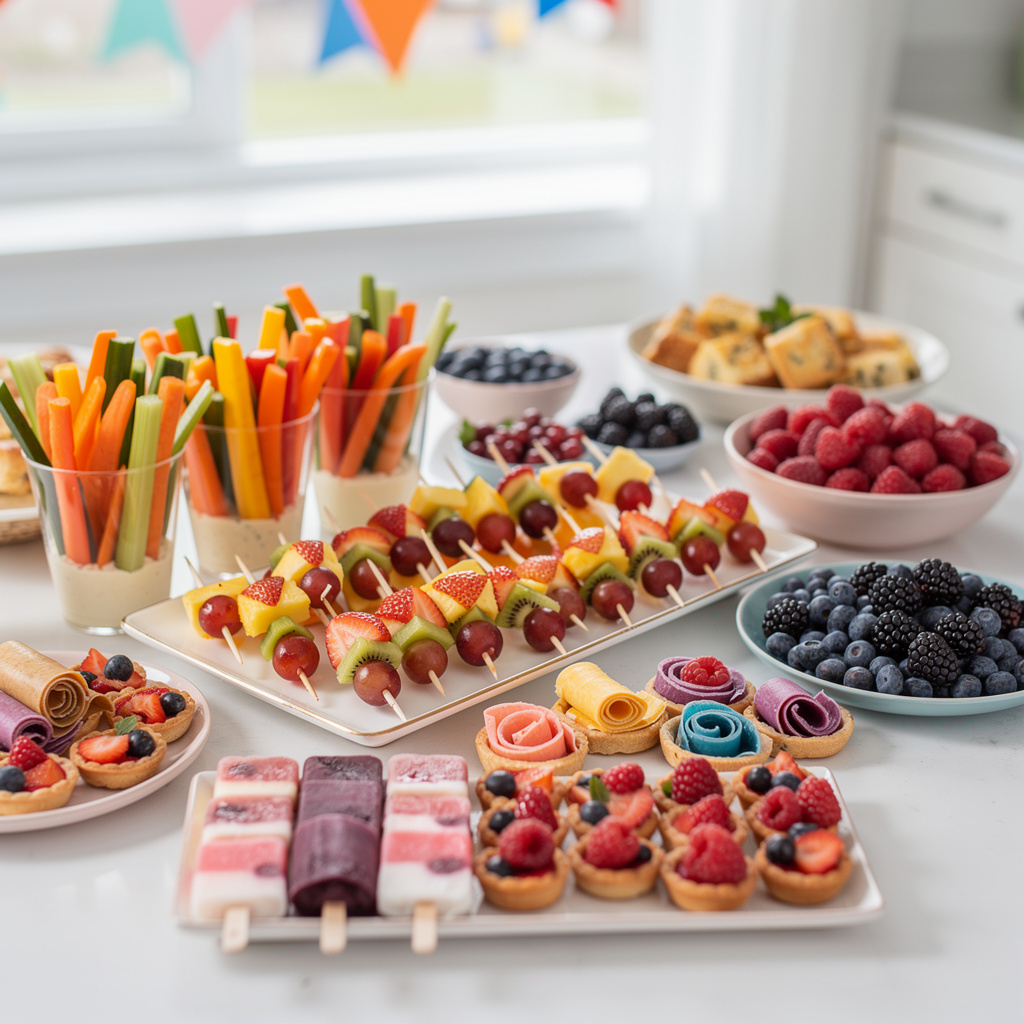
Holidays are when the sprinkles come out. Cookie decorating, gingerbread houses, class parties, candy in every stocking — and nearly all of it gets its color from artificial dyes. The good news is that you don't have to give up the fun. With a few whole-food powders and a bowl of fresh fruit, you can make every holiday just as bright, and feel good about what your family is eating.
Why Holiday Treats Deserve a Second Look
Artificial dyes are in more of our food than most people realize, and holidays pile on even more of them. A few things worth knowing:
- We're eating far more dye than we used to. Per-person consumption of artificial food dye has risen more than fivefold since 1950, and labels don't have to say how much dye a product contains.
- The effects aren't always visible. Research links synthetic dyes to hyperactivity in children, hives, headaches, and trouble concentrating. Some reactions show up right away, but others build up over time.
- Kids are the target. Holiday candy and treats are packaged and colored to catch a child's eye, and that's exactly when kids are eating more of them than usual.
On ingredient labels, look for names like Red 40, Yellow 5, Yellow 6, and Blue 1. They turn up in sprinkles, colored sugars, gel and liquid food coloring, candy melts, candy canes, frosting tubs, and many holiday cereals and drinks. For the full story, read Food Dye Exposed: 3 Things You Need to Know.
Your Natural Color Palette
Stir these whole-food powders into your frosting base. A blended cashew frosting or a simple coconut frosting both take color well.
- Pink — pitaya (dragonfruit) powder
- Red — beet powder
- Yellow — turmeric, mulberry, or goldenberry powder
- Green — barley grass juice powder, spirulina, or pandan leaf powder
- Blue — butterfly pea flower powder
- Purple — blueberry powder
You can mix them, too. A little turmeric plus a pinch of beet makes a warm orange, and blueberry with a touch of pitaya makes a deep berry red.
Colors for Every Holiday
Halloween
- Orange frosting: turmeric with a pinch of beet, or a spoonful of pumpkin purée.
- Purple and green: blueberry and barley grass powders for a "monster" look.
- Fruit fun: peeled clementines with a small piece of celery as a stem make little pumpkins, and banana halves with chocolate-chip eyes make ghosts.
Thanksgiving
- Harvest gold and rust: turmeric, goldenberry, and a little beet.
- Garnishes: fresh cranberries, pomegranate seeds, and toasted pecans on pies and cupcakes.
Christmas
- Red and green cookies: beet or pitaya for red, barley grass or spirulina for green.
- Strawberry Santa hats: a strawberry with a dot of white frosting on top.
- Kiwi trees and rosemary "pines": kiwi slices cut into triangles, or small rosemary sprigs on a cake.
- Snow: unsweetened shredded coconut.
Hanukkah
- Blue and white: butterfly pea flower powder stirred into frosting, with plain white frosting next to it.
- Garnishes: blueberries and coconut flakes on sufganiyot-style donuts or sugar cookies.
Valentine's, Easter, and the Fourth of July
- Valentine's Day: pitaya pink and beet red, with raspberry halves for hearts.
- Easter: pastels from a small amount of each powder: pale pink, soft yellow, sky blue, and lavender.
- Fourth of July: strawberries, blueberries, and plain white frosting make a flag, no coloring needed.
Tips for Working With Natural Colors
- Start small. Add a quarter teaspoon at a time and stir well. Natural colors deepen a little as they sit.
- Dissolve first. Mix the powder with a few drops of water or plant milk before stirring it in so you don't get specks.
- Color the frosting, not the batter. Beet and other plant colors fade or brown in the oven, so save them for frosting and glazes.
- Go easy on turmeric. It has a strong flavor, so a pinch is plenty. Mulberry and goldenberry taste milder.
- Watch the magic trick. Butterfly pea flower turns from blue to purple when it touches something acidic. A drop of lemon juice in front of the kids is a great holiday science lesson.
- Decorate close to serving. Natural colors can fade in bright light, so keep decorated treats covered and in the fridge.
- Expect softer shades. Natural colors come out jewel-toned and pastel instead of neon. Most people think they look even prettier.
Swap the Sprinkles
Instead of
- Rainbow sprinkles and nonpareils
- Colored sanding sugar
- Candy melts and gel icing
- Dyed candy decorations
Try
- Crushed freeze-dried strawberries, raspberries, or blueberries
- Shredded coconut shaken in a jar with a pinch of any color powder
- Chopped pistachios (green) and cacao nibs (brown)
- Pomegranate seeds, fresh berries, and citrus zest
Bring Your Own to the Party
You can't control every treat at a school party or a family gathering, and you don't need to. Bring one beautiful, naturally colored dish to share, like a fruit skewer platter, a tray of frosted cookies, or berry-topped cupcakes. Kids get to enjoy the celebration, and everyone else gets to see how good dye-free treats can look. For more ideas, see Plant-Based Kids at Parties, Holidays, and Beyond and Colorful Frosting the Natural Way.
The Heart of the Lesson
The goal isn't a perfect holiday. It's being aware of what's in your food. Each batch of naturally colored cookies teaches your kids that celebrations can be bright, fun, and wholesome at the same time. Enjoy your clean holiday treats, and happy baking!
This post is for educational purposes only and is not intended as medical advice. Always consult a trusted health practitioner about your family's individual needs.
Plan your holiday week
Use AIM to build family meals and snacks around the holidays, along with a ready-to-shop grocery list.
Build my meal plan