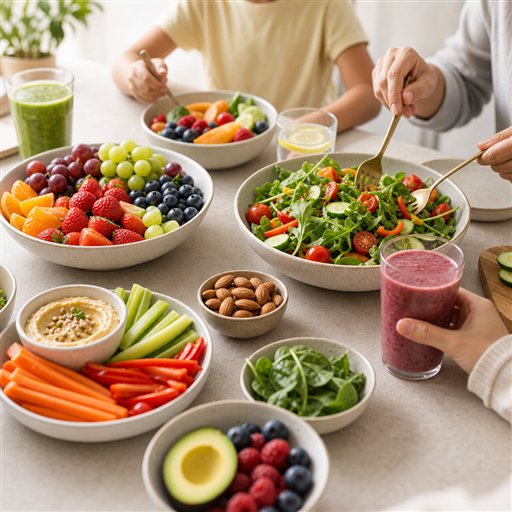
Every parent knows the moment: you serve a beautiful, nourishing dinner, and a small fork starts sorting out the green parts. The good news is that a refused vegetable isn't a dead end. Many of the vegetables kids resist most have a gentler cousin with a similar nutrition profile, and starting there can turn "no thank you" into "can I have more?"
Every swap below is vegetarian and plant-based, so they fit right into a meatless family kitchen.
Why Some Vegetables Are Harder for Kids
It isn't always stubbornness. There are real reasons some vegetables are tougher sells:
- Kids taste bitterness more strongly. Kale, Brussels sprouts, cabbage, and other cruciferous vegetables contain compounds called glucosinolates. Some people carry genes that make these taste noticeably more bitter, up to 60% more bitter for so-called "supertasters," and young children are especially sensitive.
- Texture matters as much as flavor. Slippery mushrooms, stringy celery, and tough, chewy leaves can be a deal-breaker before taste even comes into it.
- New foods take time. Research on children's eating shows it often takes eight or more tastes of a new food before a child accepts it, and pairing a food with a flavor they already love, like a favorite dip, can help even the most bitter-sensitive kids come around.
A milder swap gets the nutrition onto the plate today while their taste buds catch up.
Swap Kale for Spinach or Rainbow Chard
Kale is a nutrition powerhouse, but its tough leaves and bitter edge make it one of the hardest greens for kids. Spinach and rainbow chard aren't cruciferous, so they're far less bitter, and they cook down soft and tender in minutes.
- What you keep: vitamin K, vitamin A, folate, magnesium, and plant-based iron.
- Why kids like it better: baby spinach is mild enough to eat raw, and rainbow chard's red, yellow, and pink stems make it look fun on the plate.
- Try it: blend a handful of baby spinach into a berry smoothie (the berries hide the color), stir chopped chard into pasta sauce or soup, or sauté chard stems with a little garlic and olive oil and call them "rainbow sticks."
- Good to know: kale is a better source of absorbable calcium, because spinach and chard contain oxalates that bind some of theirs. Round out calcium with white beans, tahini, broccoli, or fortified plant milk. Squeeze a little lemon over your greens, too, since vitamin C helps the body absorb plant iron.
Swap Mushrooms for Eggplant or Zucchini
Mushrooms add savory depth to vegetarian cooking, but plenty of kids can't get past their slippery texture or earthy taste. Eggplant and zucchini do much of the same job: they soak up sauce, turn tender and a little meaty when cooked, and blend right into the dish.
- What you keep: fiber, potassium, and a hearty texture that makes meatless meals feel filling. Eggplant's purple skin is rich in antioxidants, and zucchini adds vitamin C and lots of water to help with hydration.
- Why kids like it better: both are mild and take on whatever flavor they're cooked with.
- Try it: dice eggplant small and simmer it into marinara or lentil "bolognese," roast zucchini coins until golden, or grate zucchini into veggie burgers, fritters, and muffins.
- Good to know: mushrooms are a rare plant source of vitamin D and B vitamins. When you skip them, a sprinkle of fortified nutritional yeast adds B vitamins and a cheesy, savory flavor kids enjoy.
More Kid-Friendly Swaps
If they resist
- Brussels sprouts
- Green bell peppers
- Arugula and other bitter salad greens
- Raw onion
- Green cabbage
- Celery
- Beets
- Asparagus
Try
- Green peas or sugar snap peas
- Red, orange, or yellow bell peppers
- Butter lettuce or romaine
- Slow-cooked sweet onion or mild chives
- Napa cabbage or baby bok choy
- Cucumber or jicama sticks
- Roasted carrots or sweet potato
- Green beans
Some of these swaps are actually an upgrade. Red bell peppers are simply green peppers left to ripen, and that extra time on the plant makes them sweeter, with about 50% more vitamin C and roughly eight times the vitamin A.
Tips to Make the Swaps Stick
- Roast for sweetness. High-heat roasting caramelizes natural sugars and softens bitter notes. A little olive oil and salt goes a long way.
- Pair with a favorite. Serve new vegetables with a dip your kids already love, like hummus, guacamole, or a creamy cashew ranch.
- Start small. A few pieces on the plate next to familiar foods feels less overwhelming than a big pile.
- Let them help. Kids are more likely to taste vegetables they picked at the store, washed, or stirred into the pot.
- Keep offering the original, too. A swap is a bridge, not a replacement. Once spinach is a hit, try a little kale chopped finely into the same dish. Taste preferences really do change with time and repetition.
- Skip the pressure. Offer, model, and move on. Kids who see you enjoying vegetables will eventually want to try them too.
Progress Over Perfection
The best vegetable for your child is the one they'll actually eat. Starting with gentler options builds confidence and good habits, and over time those little wins add up to a kid who truly enjoys real food. For more ideas, see 7 Gentle Tricks to Get Kids Loving Fruits and Veggies, How to Build a Satisfying Meal Without Meat, and Small Swaps, Big Wins.
This post is for educational purposes only and is not intended as medical advice. Always consult a trusted health practitioner about your family's individual needs.
Put the swaps on the menu
Use AIM to build kid-friendly vegetarian meals for the week, along with a ready-to-shop grocery list.
Build my meal plan